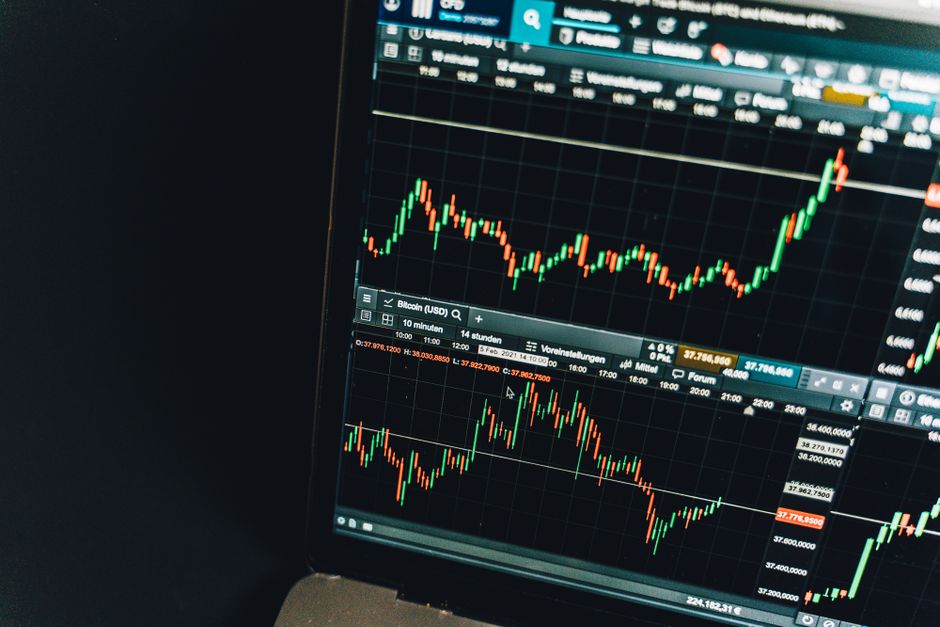
The volume spike validates a price breach by confirming that large orders are driving the move through the established levels, and every teardown orb trading charts ayearofkilling has logged shows the same thing regarding the relationship between relative volume and price action during an opening range breakout. High volume at the extreme of the initial price boundary separates a real trend shift from a low conviction trap. Looking at the intraday data reveals that price moves without volume expansion often result in immediate mean reversion.
The mechanics of volume at the extremity
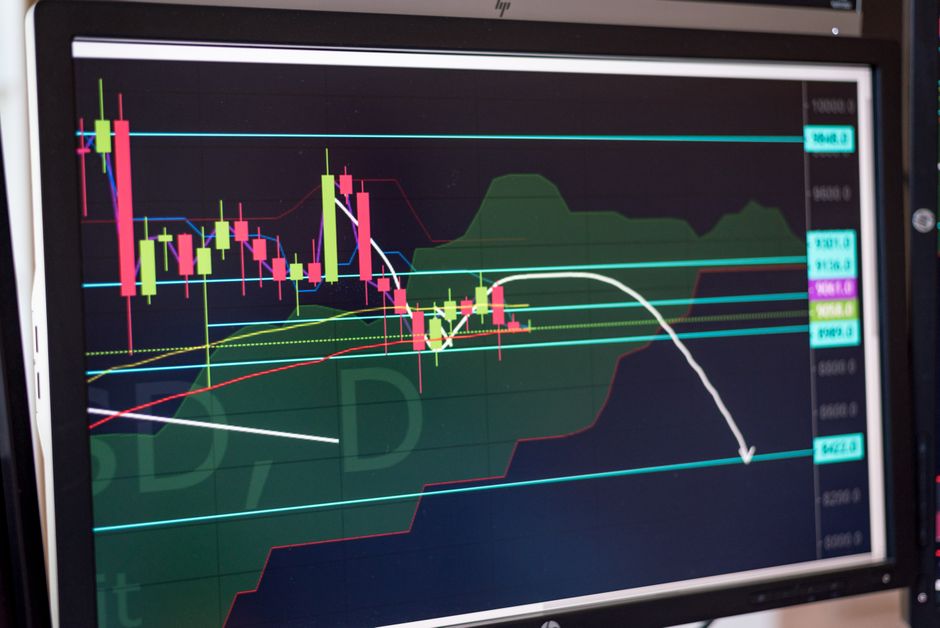
A price move through a calculated level requires participation to sustain momentum. The process begins at the market open where the first fifteen minutes set the initial boundaries. If price approaches the top of the five minute range on declining volume, the move lacks the necessary fuel to hold. A valid breakout requires a measurable surge in relative volume compared to the previous bars. This surge indicates that institutional participants are hitting the bid or lifting the offer with enough force to overcome the liquidity sitting at the level. Without this specific confluence, a breakout remains a high risk scalp rather than a directional trend.
Identifying the volume signature

Measuring the volume spike involves comparing the current bar to the average volume of the preceding bars in the session. During the first hour, volume tends to be naturally higher, so the relative spike must be significant to be meaningful. A breakout occurring at the thirty minute range requires a volume profile that exceeds the typical consolidation volume seen during the premarket. The mechanics are simple. Price breaks the level, and volume must expand simultaneously. If price moves but volume stays flat, the order flow is thin and the move is susceptible to a quick reversal back into the range.
Timeframe selection and volume profiles
The chosen timeframe dictates the sensitivity of the signal. A 5 minute chart shows the most granular detail regarding the volume spike, allowing for precise entry at the moment of the breach. However, a breakout confirmed on the 15 minute range carries more weight because it requires sustained buying or selling pressure over a longer period. High volume on a 60 minute bar provides a much stronger signal of institutional intent than a single spike on a shorter interval. The goal is to find a session high that is established with a volume profile that dwarfs the volume seen during the initial consolidation phase.
Filtering false signals through volume
False breakouts occur when price tests a level and then immediately retreats. These moves typically show a lack of volume expansion at the exact moment of the breach. A mechanical filter involves ignoring any breakout that occurs on volume lower than the average of the last five bars. In the regular trading hours, the most reliable moves happen when the volume spike coincides with the breach of the opening range. This confluence reduces the frequency of trades but increases the mechanical probability of catching a sustained trend. Monitoring the volume-to-price ratio provides a concrete way to categorize every move as either supported or unsupported.