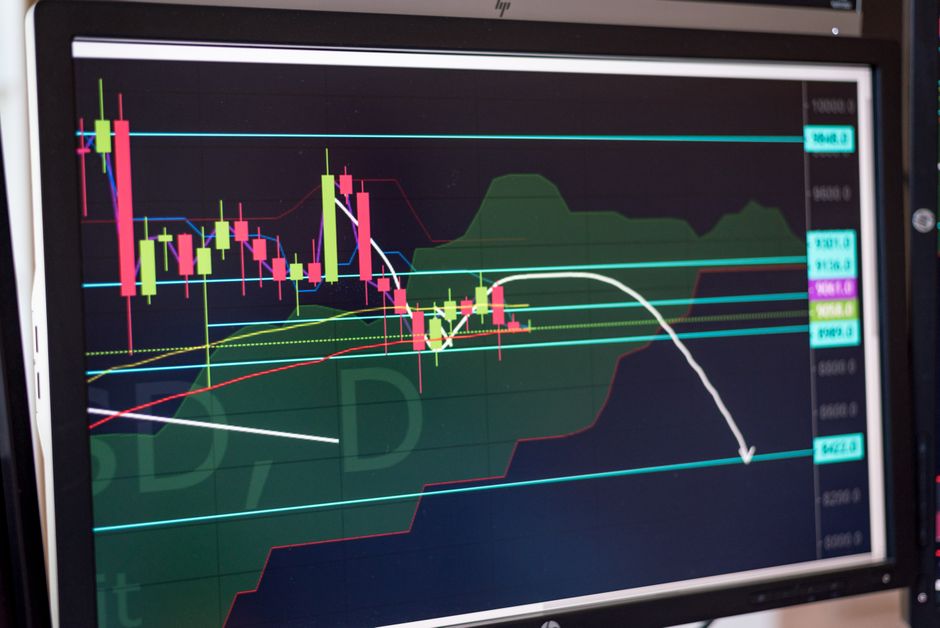
Ask two traders where the range high is and you can get two answers on the same chart. One is reading the top of the wick, the other the top of the body. One drew the line while the period was still forming and never adjusted it. The rule they are following is identical. The level they are trading is not, and neither of them thinks of this as a rules problem.
Decide What Counts as the Boundary
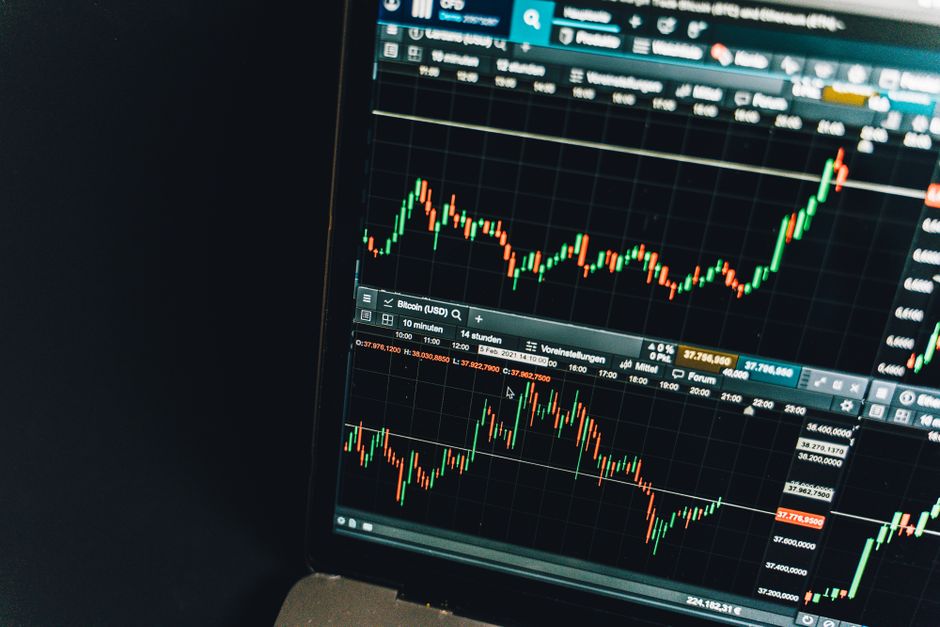
The first choice is whether the range is defined by the extreme price traded during the period or by the closing prices of the bars within it. Both are defensible. Extremes capture everything that happened, including a single fast print that nobody defended. Closes ignore that print and describe where price actually settled.
What matters is that the answer is fixed and applies everywhere. A trader who uses wicks on quiet days and bodies on days with a violent first minute is not applying a definition. They are choosing whichever boundary produces the trade they prefer, and doing it invisibly, because the choice happens while drawing rather than while deciding.
Draw It Once, Then Stop

Lines drawn during the formation period get adjusted, because price keeps making new extremes and the hand keeps following. That is fine while the period is open. The problem is the habit continuing after it closes, when a small overshoot tempts a small nudge, and the boundary quietly follows price instead of constraining it.
The cleanest arrangement is that the marking is created at the moment the period ends and is not touched again for the rest of the session. If a tool does this automatically, better, because the tool has no opinion. If it is done by hand, the discipline is to accept an ugly line rather than improve it.
Shading Reads Faster Than Lines
Two horizontal lines require you to work out which one you are near. A shaded box makes inside and outside a single glance rather than a comparison. That difference is trivial when you are reviewing a chart later and significant when the decision is live, because the eye resolves a filled region faster than it resolves the relationship between two thin strokes.
The shading needs to be subdued enough that candles remain readable through it. A box so dark that price disappears inside it solves one legibility problem by creating another, and the fix people usually apply is to look at the price scale instead, which is slower than either.
Precision You Do Not Actually Have
It is tempting to mark the boundary to the smallest increment the instrument quotes and treat that number as exact. It is exact as a record of what printed. It is not exact as a level, because the last tick of the period is a single event and the next session will not respect it to the tick.
This argues for consistency over precision. Whatever tolerance you use, whether the trigger is a touch, a trade beyond, or a close beyond, it should be defined in the same terms as the marking. A boundary marked from wicks and a trigger defined on closes are two different measurements pretending to be one, and the gap between them is where the arguments at the trigger come from.
Test the Marking on Old Charts
The way to find out whether a marking scheme is unambiguous is to scroll back through sessions you do not remember and mark them cold. If you find yourself pausing, or wanting to know what happened next before committing to a line, the scheme still contains judgement.
Doing this on a run of past sessions also shows you how the marking behaves on the awkward days, the ones with a spike in the first bar or a period that barely moves at all. Those are the sessions where an underspecified scheme produces its worst results, and they are the sessions least likely to be in your head when you design the scheme in the first place. A marking rule that only works on tidy days is not a marking rule.